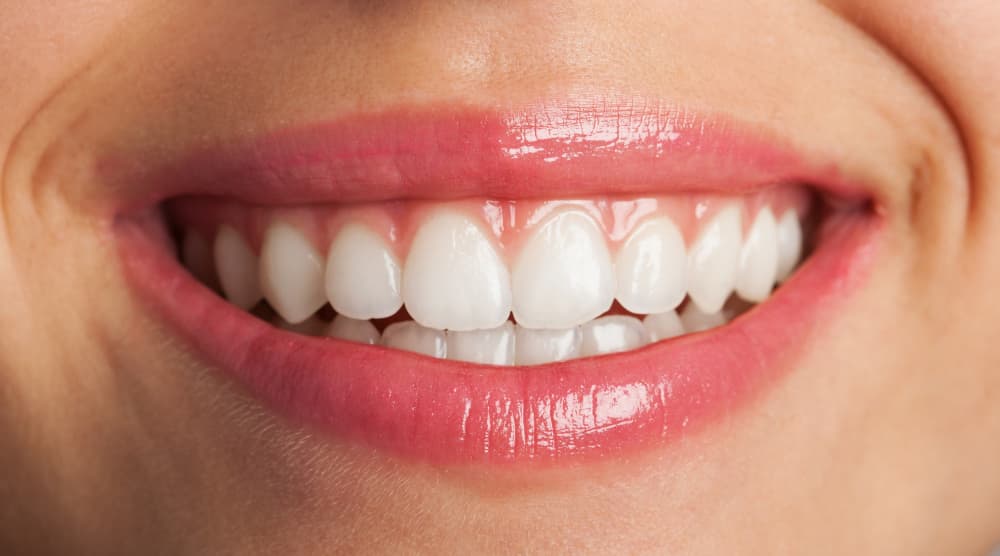
Straighten your teeth without announcing it to everyone.
Clear aligners move teeth using a series of custom-made removable trays instead of fixed brackets and wires. They come out for meals and for brushing, and most people around you will not notice you are wearing them.
Request an Appointment
Book your visit in 60 seconds
We use the details you enter here only to respond to this request and to schedule or follow up on your care. We do not sell your information or use it for advertising. Please keep medical history out of this form — bring that to your visit or call us. See our Privacy Policy.
No commitment — we'll confirm availability with you first.
A sequence of small, planned movements
Treatment begins with a digital scan of your teeth. From that scan, the full path from where your teeth are now to where they should end up is planned in software, then split into a series of trays. Each tray is slightly different from the last and moves specific teeth a fraction of a millimetre. You wear each one for one to two weeks, around 20 to 22 hours a day, taking them out to eat and to brush.
- Removable for meals, brushing, and flossing
- No brackets, wires, or emergency bracket repairs
- Digital plan shows the intended outcome before you start
- Typically fewer and shorter chair-side visits than fixed braces
- Easier to keep teeth and gums clean during treatment
Crooked teeth are a health issue, not only a cosmetic one
Straightening is often framed as appearance alone. In practice, alignment changes how easily teeth stay clean and how evenly the bite loads.
Crowded teeth are harder to clean
Overlapping surfaces trap plaque where a brush and floss cannot reach reliably, which shows up over years as decay between teeth and inflamed gums.
An uneven bite wears teeth unevenly
When some teeth contact before others they absorb more force than they were built for, producing flattened edges, chips, and sensitivity.
Teeth keep moving with age
Lower front crowding tends to increase gradually through adulthood. Treating it earlier generally means less movement is needed.
Alignment affects cosmetic work
Where teeth are significantly out of position, moving them first often means more conservative veneers or bonding afterwards — or none at all.
What clear aligner treatment involves
Most of the work happens between appointments. Here is the shape of a typical case from first visit to retainer.
Book a Consultation1. Consultation and assessment
We look at crowding, spacing, and how your bite comes together, and confirm your gums and teeth are healthy enough to begin. Some cases are better served by fixed braces or an orthodontic referral, and we will say so.
2. Digital scan and treatment plan
A scan replaces the older impression trays. From it, the sequence of movements is planned and you can see the projected end result before committing.
3. Your aligners are made
The full series is manufactured to your plan. Small tooth-coloured attachments are sometimes bonded to certain teeth to give the trays something to grip.
4. Wearing the series
Each tray is worn 20 to 22 hours a day for one to two weeks before moving to the next. Wear time is the single largest factor in whether treatment finishes on schedule.
5. Periodic checks
We review progress against the plan at intervals and adjust if teeth are tracking differently than projected. Additional refinement trays at the end are common and normal.
6. Retainers
Teeth drift back toward their old positions without retention. A retainer worn as directed is what makes the result last — this part is not optional.
Wear them 20 to 22 hours a day
Aligners only move teeth while they are in. Consistent wear is the difference between finishing on schedule and adding months to treatment.
Take them out to eat and drink
Anything other than water comes out first. Eating in aligners can crack them, and drinks with sugar or colour get trapped against the teeth.
Clean the trays daily
Rinse and brush them gently with a soft brush. Hot water warps the plastic, so keep it cool.
Keep up your normal cleanings
Aligner treatment does not pause routine care. Regular exams and cleanings during treatment catch problems while teeth are moving.
What day-to-day treatment actually looks like
Aligners fit around normal life, but they do ask something of you. These are the habits that separate cases that finish on time from those that stall.
Aligner treatment with the whole mouth in view
Moving teeth changes how the bite loads. That is a dental question as much as a cosmetic one, and it is why we plan aligners alongside everything else in your mouth.
Bite assessed, not just appearance
We look at how your teeth meet and how you clench before planning movement, so treatment does not solve a cosmetic problem while creating a functional one.
Honest about complex cases
Clear aligners handle mild to moderate crowding and spacing well. Where a case genuinely needs fixed braces or a specialist, we will refer rather than stretch the technique.
Coordinated with cosmetic work
Where whitening or veneers are also planned, sequencing them correctly around alignment produces a better and often more conservative result.
Clear pricing and payment options
You get the full cost of the case in writing before starting, including retainers, along with the payment options available.
Most PPO plans
accepted.
We're in-network with 12+ major carriers and we'll maximize your benefits for you — zero surprises, just great care.












Clear Aligner Treatment in Fulton Ranch, Chandler
Promenade Dental is located at Alma School Road and Chandler Heights in the Fulton Ranch area, convenient to Ocotillo, Sun Lakes, and south Chandler.
Often planned alongside aligners
Alignment is frequently one part of a wider cosmetic plan. These are the treatments most often sequenced with it.
Teeth Whitening
Usually done after alignment, when every surface is in its final position and shading evenly is straightforward.
Porcelain Veneers
Moving teeth into position first often means thinner, more conservative veneers afterwards.
Night Guards
For patients who clench, protecting the result after treatment matters as much as achieving it.
Exams & Cleanings
Healthy gums are a prerequisite for moving teeth, and routine care continues throughout treatment.
Patients don't usually rave about the dentist. Ours do.
“Dr. Wei is hands down my favorite dentist, and I feel incredibly fortunate that I found him. From that very first visit, I knew I was in the right place. He is always on time, ext...”
 Stephanie Scott
“I highly recommend Dr. Wei at Promanade Dental. He is highly skilled and very professional as is his staff. They do not rush and explain procedures and why the procedures are neces...”
 Michael Politi
“Just finished getting new crown. Entire process was completed by friendly and professional staff. Have had many previous crowns but this was easiest and least painful. Very satisfi...”
 L H
L H“Amazing care, and staff was attentive and knowledgeable.The doctor is young and has a great attitude. The place is clean and the technology is pretty good”
 Sebonnei Mamnani
“Dr. Sarin was amazing and so patient when explaining things to me! The staff here is also so great and friendly :D”
 Gabriela Hernandez
“Dr. Wei is hands down my favorite dentist, and I feel incredibly fortunate that I found him. From that very first visit, I knew I was in the right place. He is always on time, ext...”
Stephanie Scott“I highly recommend Dr. Wei at Promanade Dental. He is highly skilled and very professional as is his staff. They do not rush and explain procedures and why the procedures are neces...”
Michael Politi“Just finished getting new crown. Entire process was completed by friendly and professional staff. Have had many previous crowns but this was easiest and least painful. Very satisfi...”
L H“Amazing care, and staff was attentive and knowledgeable.The doctor is young and has a great attitude. The place is clean and the technology is pretty good”
Sebonnei Mamnani“Dr. Sarin was amazing and so patient when explaining things to me! The staff here is also so great and friendly :D”
Gabriela HernandezClear Aligner FAQs
Most cases run between six and eighteen months depending on how much movement is needed. Mild crowding can finish faster; cases involving bite correction take longer. Your projected timeline is part of the treatment plan you see before starting.
Twenty to twenty-two hours. In practice that means they are in except when you are eating, drinking anything other than water, or cleaning your teeth. Wear time is the main reason cases finish on schedule or do not.
Not painful, but each new tray usually brings a day or two of pressure and tenderness as the teeth begin to move. Most patients find it settles quickly and describe it as noticeable rather than uncomfortable.
No. Aligners handle mild to moderate crowding, spacing, and many bite issues well, but severe cases, significant skeletal discrepancies, and some rotations are better treated with fixed braces or by an orthodontic specialist. We will tell you honestly which category your case falls into.
The trays are thin and clear, and in normal conversation most people do not notice. Small tooth-coloured attachments are sometimes bonded to a few teeth to help the aligners grip, and these are also designed to be discreet.
Yes, and this genuinely matters. Teeth have a natural tendency to drift back toward their previous positions. A retainer worn as directed is what preserves the result — without one, relapse over the following years is likely.
Usually it is better to wait. Whitening after alignment lets every surface shade evenly once the teeth are in their final positions. We will advise on sequencing when both are part of your plan.
Some plans include an orthodontic benefit that applies to aligners, often as a lifetime maximum rather than an annual one. We will check what your specific plan covers and set out the remaining cost before you commit.
See what straightening your teeth would actually involve.
A consultation at Promenade Dental covers whether clear aligners suit your case, roughly how long treatment would take, and what it would cost — before you commit to anything.
Book an Aligner Consultation →