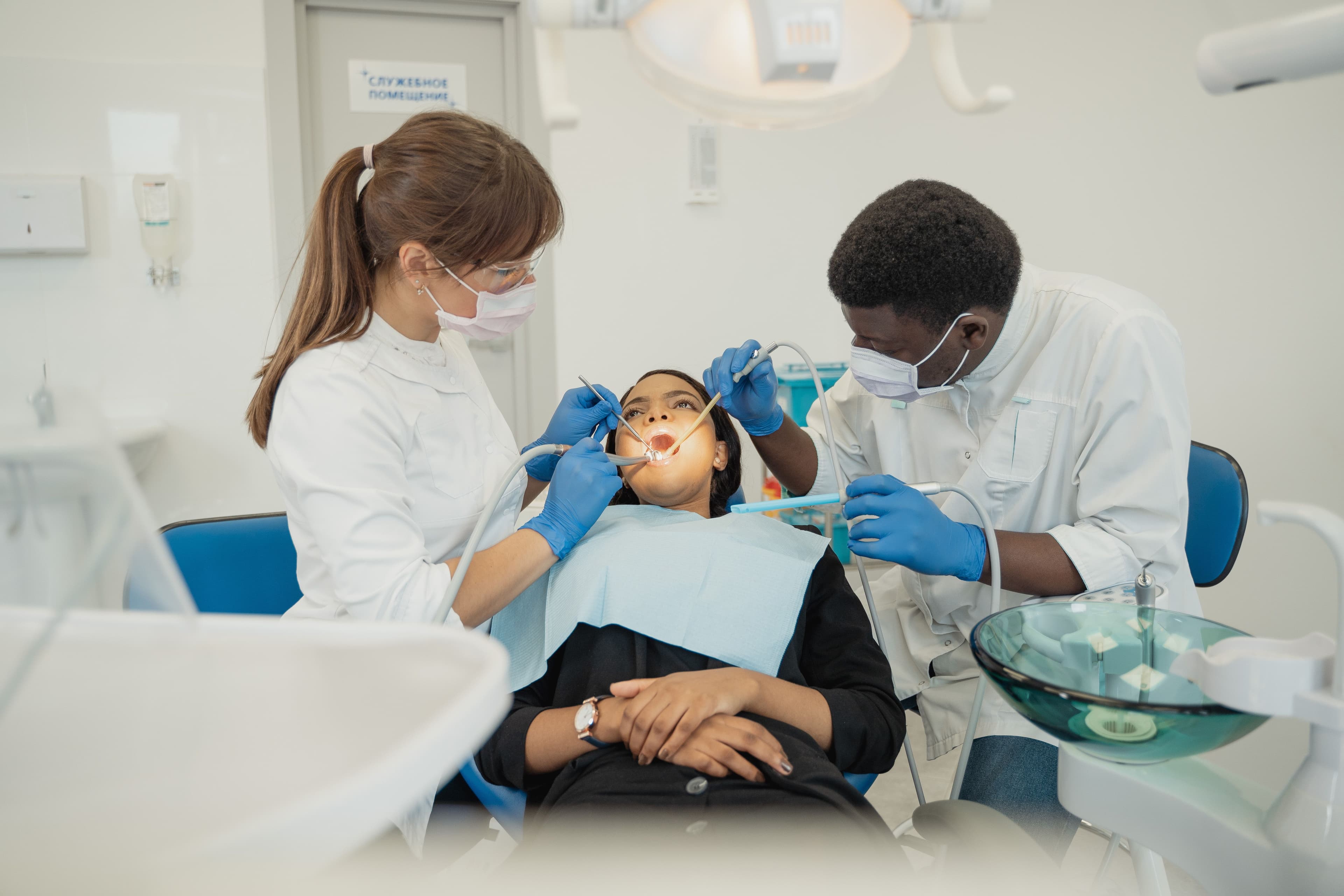
Inlays and Onlays for Larger Cavities, Moderate Tooth Damage, and Weakened Teeth in Chandler
Promenade Dental helps patients restore damaged teeth with inlays and onlays when a filling may not provide enough support, but a full dental crown may not be necessary.

Dr. Shriya Sarin, DMD
She earned her DMD at the Arizona School of Dentistry and Oral Health in Mesa, after a dental degree in India and a Master of Health Administration in Texas. Visits start with what brought you in, and end with you knowing what’s healthy, what needs care and what can wait. If it’s been years since your last visit, you’ll be met without a lecture.
- Doctor of Dental Medicine (DMD)Arizona School of Dentistry and Oral Health
- Master of Health Administration (MHA)University of North Texas Health Science Center
- Advanced training in Dental Sleep MedicineAmerican Academy of Dental Sleep Medicine
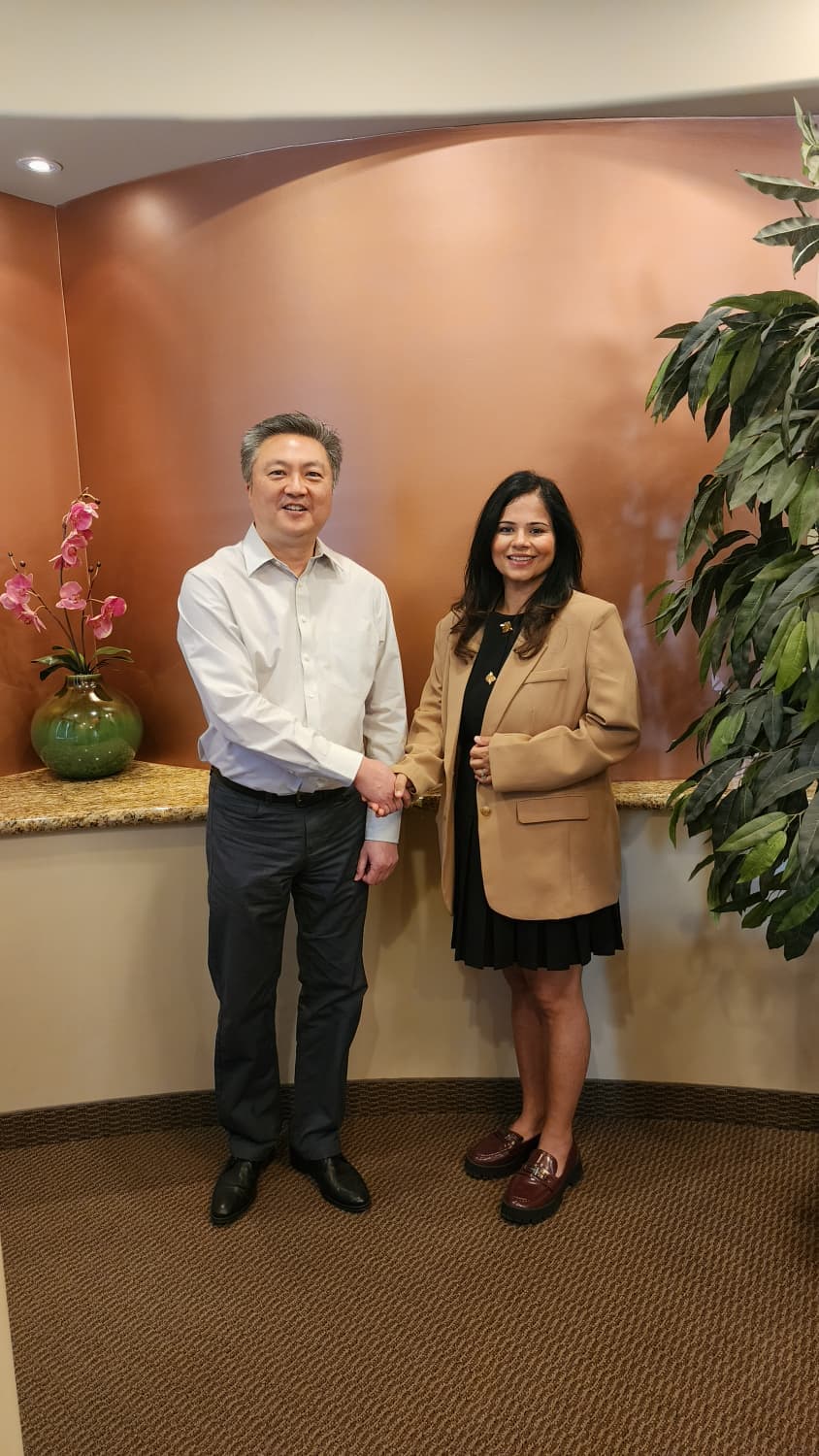
Same office, new chapter. After 23 years caring for Chandler families, Dr. James Wei entrusted Promenade Dental — and his patients — to Dr. Shriya. Some reviews you’ll read still mention Dr. Wei; they’re about this same office.
Patients don't usually rave about the dentist. Ours do.
“Dr. Wei is hands down my favorite dentist, and I feel incredibly fortunate that I found him. From that very first visit, I knew I was in the right place. He is always on time, ext...”
 Stephanie Scott
“I highly recommend Dr. Wei at Promanade Dental. He is highly skilled and very professional as is his staff. They do not rush and explain procedures and why the procedures are neces...”
 Michael Politi
“Just finished getting new crown. Entire process was completed by friendly and professional staff. Have had many previous crowns but this was easiest and least painful. Very satisfi...”
 L H
L H“Amazing care, and staff was attentive and knowledgeable.The doctor is young and has a great attitude. The place is clean and the technology is pretty good”
 Sebonnei Mamnani
“Dr. Sarin was amazing and so patient when explaining things to me! The staff here is also so great and friendly :D”
 Gabriela Hernandez
“Dr. Wei is hands down my favorite dentist, and I feel incredibly fortunate that I found him. From that very first visit, I knew I was in the right place. He is always on time, ext...”
Stephanie Scott“I highly recommend Dr. Wei at Promanade Dental. He is highly skilled and very professional as is his staff. They do not rush and explain procedures and why the procedures are neces...”
Michael Politi“Just finished getting new crown. Entire process was completed by friendly and professional staff. Have had many previous crowns but this was easiest and least painful. Very satisfi...”
L H“Amazing care, and staff was attentive and knowledgeable.The doctor is young and has a great attitude. The place is clean and the technology is pretty good”
Sebonnei Mamnani“Dr. Sarin was amazing and so patient when explaining things to me! The staff here is also so great and friendly :D”
Gabriela HernandezHave a look around before you visit.
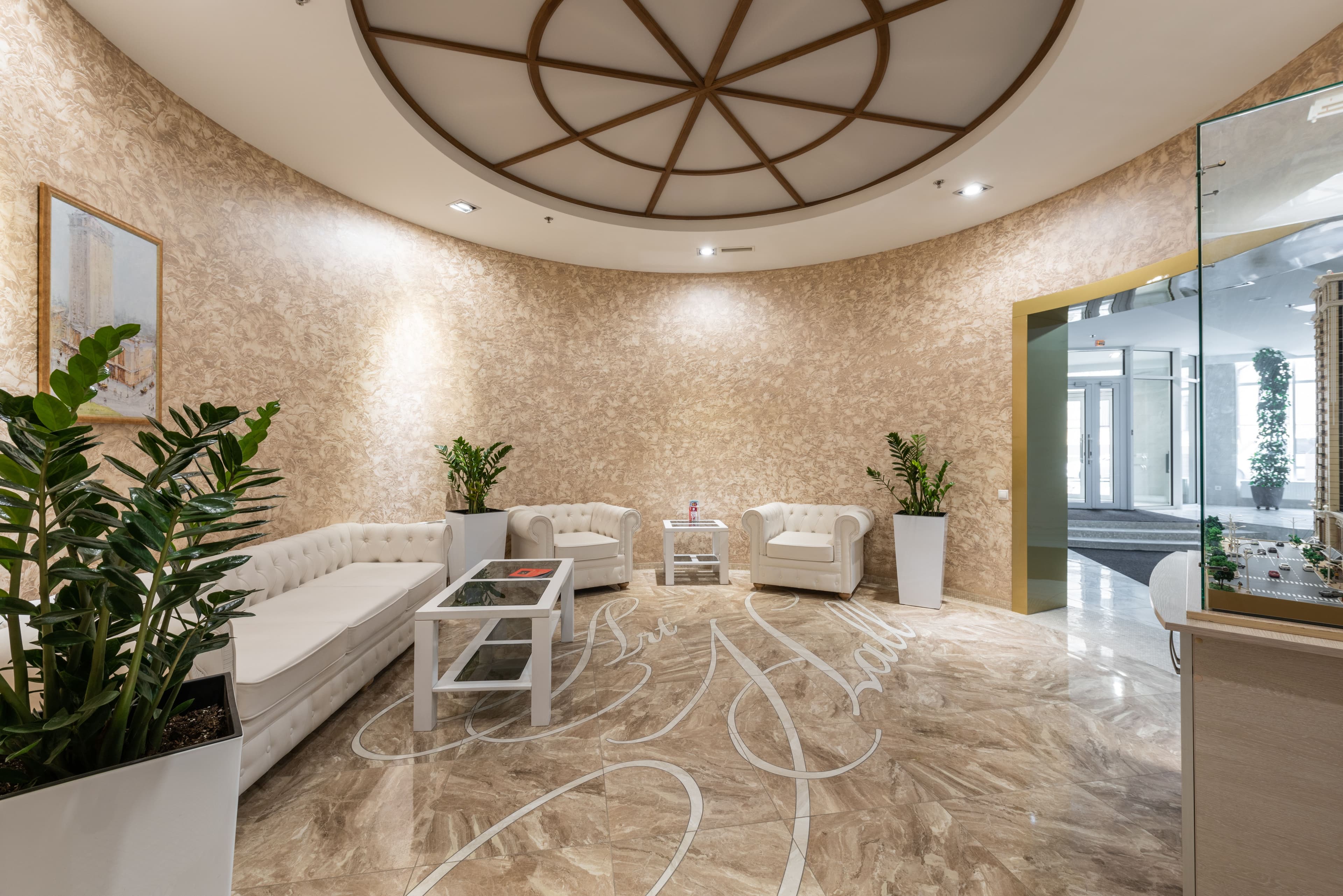
These are our own photos of the office at 4905 S. Alma School Rd, Suite 1 in Fulton Ranch — the front desk you’ll check in at and the rooms you’ll be seen in.

Front desk 
Waiting room 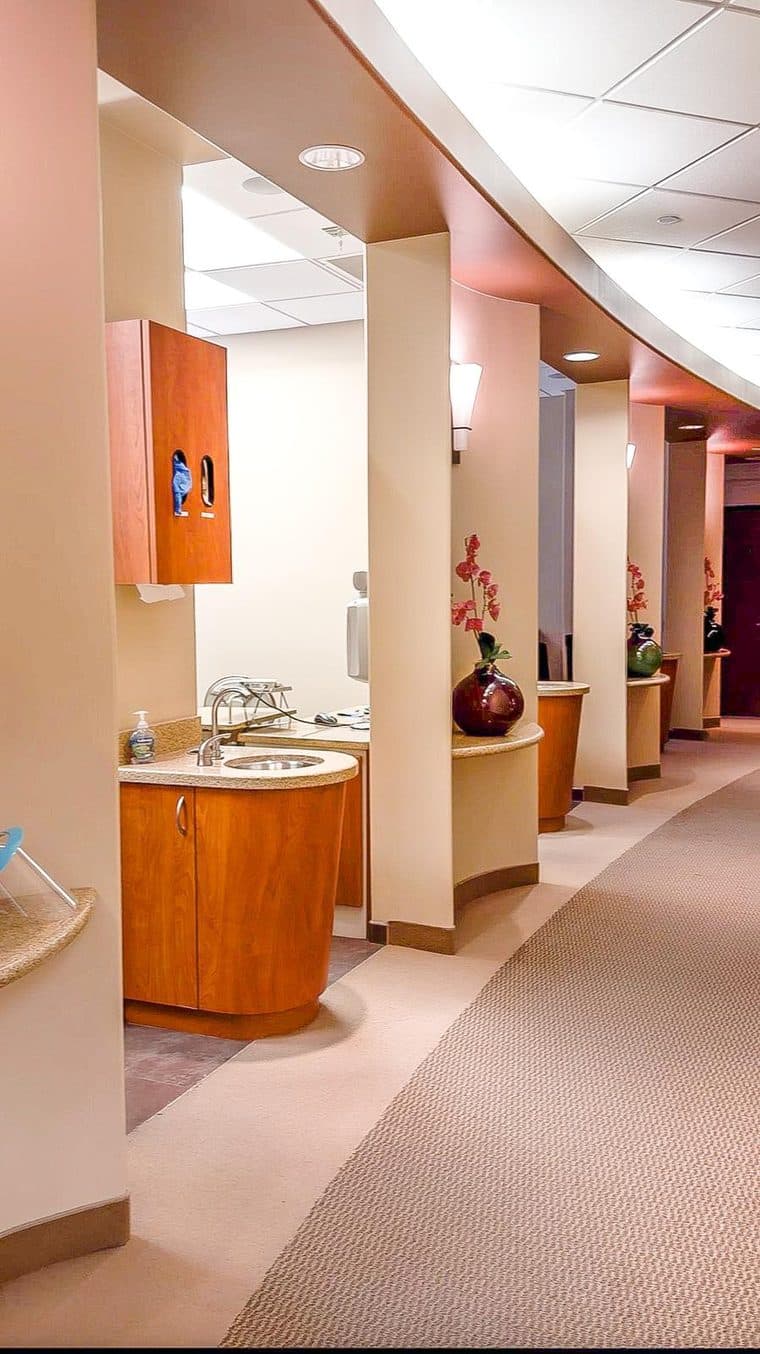
Hallway to the treatment rooms 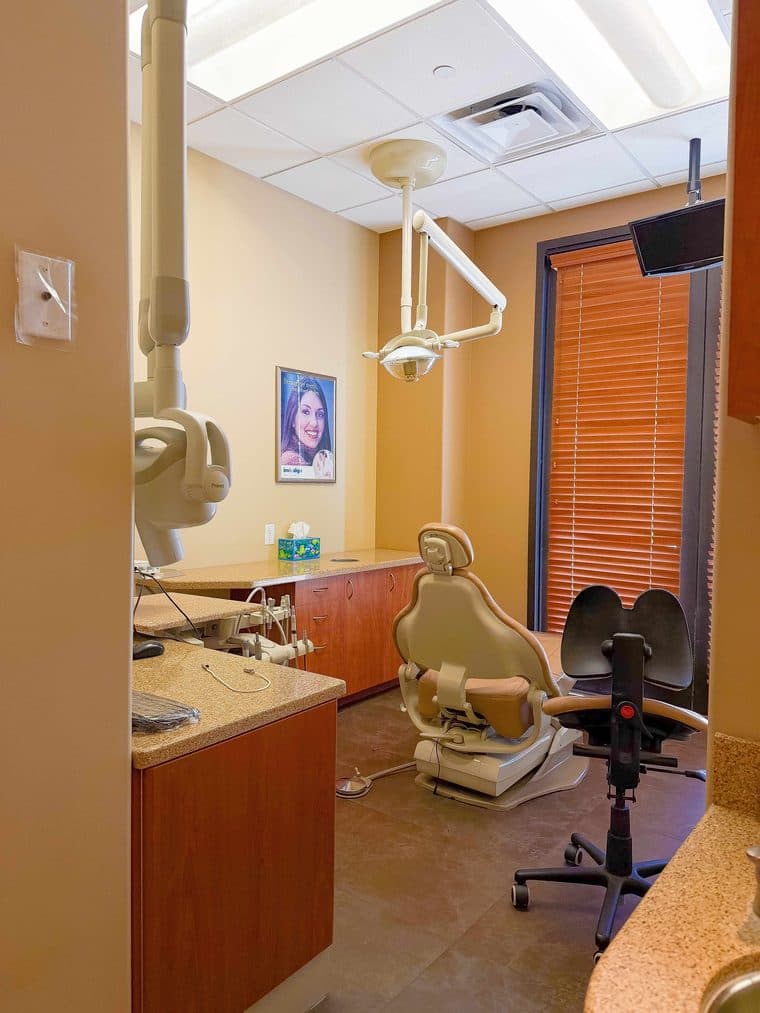
A treatment room
- Dr. Shriya Sarin · Dentist & Owner
- Stephanie Crow · Patient Coordinator
- Theresa Kelly · Dental Assistant
- Jolyn Uhrinyak · Dental Hygienist
- Tanisha Begay · Dental Assistant
Chandler, AZ 85248
- Mon 8am–1pm
- Tue–Thu 8am–7pm
You can book online any time — including when the office is closed.
Request an Appointment
Book your visit in 60 seconds
We use the details you enter here only to respond to this request and to schedule or follow up on your care. We do not sell your information or use it for advertising. Please keep medical history out of this form — bring that to your visit or call us. See our Privacy Policy.
No commitment — we'll confirm availability with you first.
Inlays and Onlays for Teeth That Need More Support Than a Filling
Some cavities or damaged teeth are too large for a standard filling, but not damaged enough to require a full dental crown. In these cases, an inlay or onlay may help restore the tooth while preserving healthy structure. Inlays and onlays are custom restorations used to repair moderate tooth damage. They are planned around the size of the cavity, the remaining tooth structure, chewing pressure, tooth shape, and long-term function.
- Designed for larger cavities and moderate tooth damage
- Provides more support than a standard filling
- May preserve more healthy tooth structure than a crown
- Planned around strength, fit, and long-term function
Signs You May Benefit From an Inlay or Onlay Evaluation
Some teeth need more support than a standard filling can provide, but may not require a full dental crown. Larger cavities, worn fillings, moderate tooth damage, and discomfort when chewing may all indicate that a tooth should be evaluated. An examination helps determine whether an inlay, onlay, filling, crown, or another restorative treatment is the most appropriate option.
Large Cavities
A cavity that removes a significant amount of tooth structure may require more support than a traditional filling.
Old or Failing Fillings
Large fillings that become worn, cracked, or leaking may leave the remaining tooth weaker over time.
Moderate Tooth Damage
A tooth with moderate damage may benefit from a restoration that strengthens the remaining tooth without requiring full crown coverage.
Pain When Chewing
Discomfort while biting or chewing may indicate damage, decay, or a weakened tooth that should be evaluated.
Small Tooth Cracks or Worn Cusps
Minor fractures or weakened chewing surfaces may increase the risk of additional tooth damage if left untreated.
A Filling No Longer Feels Secure
Changes in how a filling feels, sensitivity around the tooth, or visible wear may indicate that a different restoration should be considered.
Inlay and Onlay Evaluation for Large Cavities, Tooth Strength, Bite Pressure, and Remaining Tooth Structure
The right restoration depends on how much tooth structure remains after decay or damage is removed. A small cavity may need a filling. A larger damaged area may need an inlay, onlay, or crown. A deeply infected tooth may need root canal therapy before it can be restored. Dr. Shriya evaluates the tooth, existing fillings, cavity size, cracks, bite pressure, gum health, and symptoms before recommending the most suitable restoration.
Size of the Damaged Area
The larger the cavity or damaged portion, the more support the tooth may need after repair.
Remaining Tooth Strength
An inlay or onlay may be considered when the tooth still has enough structure to avoid full crown coverage.
Bite and Chewing Pressure
Back teeth handle heavy chewing forces, so restoration planning must consider how the tooth functions during biting and chewing.
Inlay and Onlay Planning for Bite Comfort and Long-Term Function
Inlays and onlays are planned around the shape of the damaged tooth, the chewing surface, the bite, and the amount of healthy tooth that can be preserved. The goal is to restore the tooth in a way that supports chewing while protecting the remaining structure.
Book an Inlay or Onlay ConsultationTooth Diagnosis
Dr. Shriya evaluates the cavity, tooth damage, symptoms, old fillings, bite pressure, and X-rays when needed.
Restoration Recommendation
You receive a clear explanation of whether a filling, inlay, onlay, crown, root canal, or another treatment is most appropriate.
Tooth Preparation and Restoration Design
The damaged area is prepared, and the inlay or onlay is designed to fit the tooth shape and chewing surface.
Placement and Bite Check
The restoration is placed and checked for fit, comfort, bite contact, and chewing function.
Brush and Floss Around the Restoration
Plaque can collect around restoration edges, so brushing and flossing remain important.
Avoid Chewing Hard Objects
Hard objects can damage restorations and natural tooth structure.
Monitor Bite Comfort
A restoration that feels high, uneven, or uncomfortable when chewing should be checked.
Keep Up With Dental Exams
Routine exams help monitor restoration fit, tooth health, gum condition, and bite function.
Inlay and Onlay Care for Patients Who Want Long-Term Tooth Protection
Inlays and onlays restore damaged teeth, but the natural tooth and gums still need regular care. Good oral hygiene and routine dental visits help protect the restoration and surrounding tooth structure.
Conservative Restorative Care Focused on Preserving Natural Tooth Structure
Inlays and onlays are often chosen when a tooth needs more support than a filling but may not require a full crown. Promenade Dental focuses on careful diagnosis, conservative treatment planning, and restorative solutions that support long-term oral health.
Comprehensive Evaluation by Dr. Shriya
Dr. Shriya evaluates decay, cracks, existing restorations, bite pressure, symptoms, and X-rays when needed before recommending treatment.
Conservative and Honest Recommendations
When appropriate, treatment focuses on preserving healthy tooth structure and avoiding more extensive treatment than necessary.
Function and Comfort Planned Together
Treatment planning considers chewing comfort, bite balance, tooth strength, and long-term stability to help restorations feel natural and function properly.
Clear Explanations and Treatment Options
Patients receive straightforward guidance about whether a filling, inlay, onlay, crown, root canal, or another treatment may be the most appropriate choice.
Comfort-Focused Patient Experience
Our team works to provide a welcoming environment where patients feel informed, respected, and comfortable throughout treatment.
Comprehensive Restorative Care in One Office
Promenade Dental can connect inlay and onlay treatment with fillings, crowns, root canals, preventive care, and other restorative services when needed.
Most PPO plans
accepted.
We're in-network with 12+ major carriers and we'll maximize your benefits for you — zero surprises, just great care.












Inlays and Onlays Near Fulton Ranch and Chandler 85248
Promenade Dental is located in Fulton Ranch at 4905 S. Alma School Rd, Suite 1, Chandler, AZ 85248. Our office serves patients from Fulton Ranch, Ocotillo, Sun Lakes, South Chandler, and nearby communities.
If you are looking for dental inlays, dental onlays, large cavity restoration, filling alternatives, crown alternatives, or restorative dentistry near Chandler 85248, Promenade Dental offers inlay and onlay evaluations planned around tooth strength, bite comfort, and long-term function.
Related Treatments for Cavities, Weak Teeth, and Tooth Repair
Inlays and onlays are used for moderate tooth damage. Some teeth may need a smaller filling, full crown, root canal, or broader restorative treatment depending on diagnosis.
Tooth-Colored Fillings
Fillings may repair smaller cavities or minor tooth damage when the tooth does not need additional support.
Dental Crowns
Crowns may be needed when a tooth requires full coverage protection.
Root Canal Therapy
Root canal therapy may be needed when decay or infection reaches the inside of the tooth.
Restorative Dentistry
Explore restorative treatments for damaged, decayed, infected, weak, worn, or missing teeth.
About Inlays, Onlays, Fillings, Crowns, and Tooth Restoration
Dental inlays and onlays are custom restorations used to repair moderate tooth damage. They are often used when a filling may not provide enough support but a full crown may not be necessary.
An inlay repairs damage within the chewing surface of the tooth, usually between the cusps. An onlay covers a larger area and may extend over one or more cusps.
An inlay or onlay may be recommended when a cavity or damaged area is too large for a regular filling but the tooth does not need full crown coverage.
No. An onlay covers part of the tooth, often including one or more cusps. A crown covers the full visible portion of the tooth.
They are not automatically better. Fillings may be right for smaller cavities. Inlays and onlays may be better when the tooth needs more support than a filling can provide.
Inlays and onlays may preserve more tooth structure than crowns in selected cases. Crowns may be better when the tooth needs full coverage protection.
Yes. If an old filling is large, worn, leaking, or weakening the tooth, an inlay or onlay may be considered as a replacement option.
Inlays and onlays can be designed to blend with the surrounding tooth depending on the material and tooth location.
A dental exam helps determine how much tooth structure remains and how much support the tooth needs after decay or damage is removed.
Promenade Dental is located in Fulton Ranch at 4905 S. Alma School Rd, Suite 1, Chandler, AZ 85248.
Schedule an Inlay or Onlay Consultation for Large Cavities
Promenade Dental helps patients restore moderately damaged teeth with inlays and onlays planned around tooth preservation, bite comfort, tooth strength, and long-term function.
Book an Inlay or Onlay Consultation →